
Fungal infections are a common nuisance that can strike anyone at any time. Whether it’s an annoying itch, peeling skin, or a more severe internal condition, fungal infections are often underestimated until they demand attention. In this blog, we’ll delve into how antifungal medications provide relief and what makes them an effective solution against fungal infections.
Understanding Fungal Infections
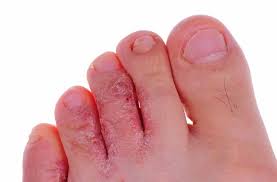
Fungi are everywhere—on our skin, in the air, and even inside our bodies. While most fungi are harmless, some can cause infections, especially when they find the right conditions to thrive, such as warmth and moisture. Common fungal infections include athlete’s foot, ringworm, and yeast infections.
The primary causes of fungal infections are:
- Warm and Humid Environments: Fungi flourish in damp and sweaty areas.
- Weakened Immune System: People with compromised immunity are more susceptible.
- Poor Hygiene Practices: Sharing personal items or wearing damp clothes can lead to infections.
Types of Antifungal Medications
Antifungal medications are designed to treat fungal infections by either killing fungi or inhibiting their growth. These medications come in various forms, each catering to specific needs and infection types:
- Topical Antifungals:
- Used for localized infections such as athlete’s foot, ringworm, or skin rashes.
- Available as creams, ointments, sprays, or powders.
- Example: Clotrimazole, Miconazole.
- Oral Antifungals:
- Prescribed for more severe or widespread infections like nail fungus or systemic infections.
- Taken in pill or capsule form and work from within the body.
- Example: Fluconazole, Terbinafine.
- Intravenous (IV) Antifungals:
- Used in hospital settings for critical fungal infections.
- Example: Amphotericin B.
How Antifungal Medications Work
Antifungal medications target specific components of fungal cells, making them effective while leaving human cells unharmed. Here’s how they work:
- Destroying the Fungal Cell Wall: Antifungal agents like echinocandins weaken the cell wall, causing the fungus to collapse and die.
- Inhibiting Cell Growth: Medications like azoles block enzymes essential for fungal growth, effectively halting the infection.
This targeted approach ensures that the fungi are eliminated without significant harm to the patient.
When to Use Antifungal Medications
Not all fungal infections require medical treatment; mild cases can often resolve with proper hygiene and care. However, antifungal medications become necessary when:
- The infection persists or worsens despite home remedies.
- It spreads to other parts of the body.
- The patient has underlying health conditions that increase susceptibility.
Precautions and Side Effects
While antifungal medications are generally safe, they may have side effects, especially when used improperly or for prolonged periods. Common side effects include:
- Topical Treatments: Skin irritation, redness, or burning sensation.
- Oral Medications: Nausea, headache, or liver issues in rare cases.
Precautions to Take:
- Always follow the prescribed dosage and duration.
- Avoid self-diagnosis; consult a doctor to identify the right treatment.
- Inform your healthcare provider about any pre-existing conditions or medications.
Tips for Preventing Fungal Infections
Prevention is always better than cure. Here are some tips to reduce your risk of fungal infections:
- Keep your skin clean and dry, especially in folds and creases.
- Wear breathable footwear and avoid walking barefoot in communal areas.
- Change out of damp clothes promptly, especially after exercise.
- Avoid sharing personal items like towels or shoes.
Final Thoughts
Fungal infections can be a persistent problem, but antifungal medications offer a reliable solution to combat them effectively. Understanding the type of infection, choosing the right medication, and following through with proper hygiene practices are essential for long-term relief.
If you suspect a fungal infection, consult a healthcare professional to determine the best course of action. With the right treatment and care, relief is just a step away!
 Blogging Website
Leave a comment