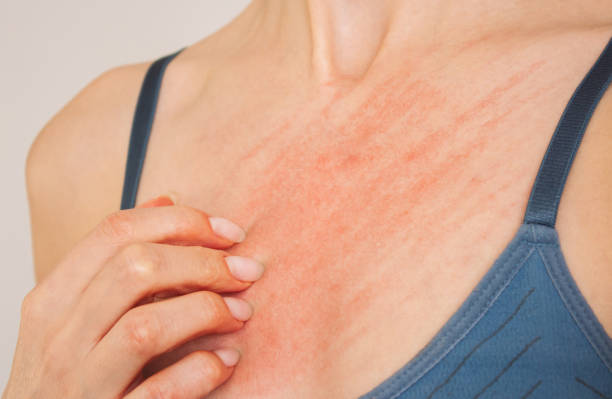
Scabies is a common skin condition caused by a microscopic parasite known as Sarcoptes scabiei. These tiny mites burrow into the skin, leading to intense itching and discomfort.
Although treatable with many scabies medicine, scabies can spread quickly, especially in crowded environments, making awareness and preventive measures crucial.
What Is Scabies?
Scabies is a skin infestation where mites burrow into the outer layer of the skin to lay their eggs. The body reacts to the mites and their waste, causing the characteristic itching and rash associated with the condition.
Symptoms of Scabies
Symptoms typically appear within 2 to 6 weeks after the mites first infest the skin. People who have had scabies before may show symptoms sooner. Common signs include:
- Intense Itching: The most noticeable symptom, often worsening at night.
- Rash: Red bumps or blisters can form in affected areas.
- Burrow Tracks: Thin, irregular lines on the skin, often pale or grayish, mark where mites have burrowed.
- Sores or Crusting: Persistent scratching can cause sores, which may become infected.
Commonly Affected Areas
Scabies often appears on the:
- Fingers and areas between them.
- Wrists, elbows, and knees.
- Armpits, waistline, and buttocks.
- Genital area and breasts in adults.
- Scalp, face, neck, palms, and soles in infants.
How Scabies Spreads
Scabies spreads through prolonged direct skin-to-skin contact with an infected person. Sharing personal items like clothing or bedding can also transmit the mites, although this is less common. Overcrowded living conditions significantly increase the risk of spread.
Risk Factors for Scabies
Certain factors can make individuals more prone to scabies:
- Close Contact: Living with or caring for someone with scabies increases the risk.
- Crowded Environments: Places like shelters, nursing homes, and prisons are high-risk.
- Weakened Immune System: Individuals with compromised immunity are more susceptible to severe forms of scabies.
Diagnosing Scabies
A healthcare provider may diagnose scabies by:
- Examining the affected skin for signs like burrows or rashes.
- Using a microscope to identify mites, eggs, or waste products from a skin scraping.
Treatment Options for Scabies
Treatment aims to eliminate the mites and relieve symptoms. Common approaches include:
- Topical Medications:
- Permethrin Cream: A widely used prescription treatment applied to the entire body.
- Benzyl Benzoate: Effective but may cause skin irritation.
- Sulfur Ointments: Safe for use in pregnant women and infants.
- Oral Medications:
- Ivermectin: Often prescribed for severe infestations or cases unresponsive to topical treatments.
- Symptom Management:
- Antihistamines or steroid creams can help reduce itching and inflammation.
- Hygiene Practices:
- Wash all clothes, bedding, and towels in hot water and dry them on high heat.
- Vacuum furniture and carpets to remove mites.
- Treat Close Contacts:
- Everyone in the same household or those in close contact should be treated simultaneously to avoid reinfestation.
Preventing Scabies
Preventing scabies is essential, especially in high-risk environments. Here are some effective prevention tips:
- Avoid Close Contact:
- Limit prolonged skin-to-skin contact with anyone who has scabies until they have completed treatment.
- Don’t Share Personal Items:
- Avoid sharing clothes, bedding, or towels with others.
- Maintain Good Hygiene:
- Regularly wash and heat-dry personal items.
- Vacuum frequently to minimize mites in your surroundings.
- Education and Awareness:
- Spread information about scabies prevention in schools, workplaces, and communities.
- Seek Timely Treatment:
- Address symptoms promptly and ensure that close contacts are also treated to prevent recurrence.
Dispelling Myths About Scabies
- Myth: Scabies is a result of poor hygiene.
- Fact: Scabies affects people regardless of cleanliness; it spreads through contact.
- Myth: Only children are affected by scabies.
- Fact: Scabies can affect people of any age but spreads faster in group settings.
- Myth: Scabies mites can jump or fly.
- Fact: Mites crawl and require direct contact to spread.
Complications of Untreated Scabies
If left untreated, scabies can lead to:
- Secondary Infections: Scratching can break the skin, allowing bacteria to cause infections like impetigo.
- Crusted Scabies: A severe form involving thick, crusty lesions that harbor large numbers of mites, more common in immunocompromised individuals.
- Chronic Symptoms: Persistent itching and inflammation can significantly affect quality of life.
Conclusion
Scabies is a manageable condition, but its contagious nature requires swift action to prevent outbreaks. By recognizing the symptoms early and taking steps to avoid spreading the mites, you can protect yourself and those around you.
Good hygiene, avoiding close contact with infected individuals, and seeking medical treatment promptly are key to controlling scabies. Educating yourself and others about prevention can further reduce the risk of infestation.
For affordable treatment options and generic medicines for scabies, visit Online Generic Medicine. Safeguard your health and that of your community today!
 Blogging Website
Leave a comment