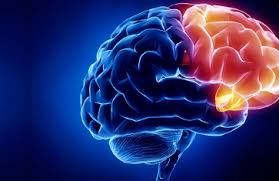
Neurological disorders encompass a diverse group of conditions affecting the brain, spinal cord, and peripheral nerves. These conditions can lead to symptoms ranging from mild discomfort to severe impairments such as paralysis, muscle weakness, and chronic pain.
Neurological disorders can result from genetic mutations, congenital disabilities, traumatic injuries, infections, tumors, or strokes, significantly impacting an individual’s quality of life.
Common Neurological Disorders
- Epilepsy: A neurological condition marked by recurrent seizures due to abnormal electrical activity in the brain. For instance, renowned Olympic swimmer Florence Griffith Joyner was reported to have had epilepsy, highlighting the unpredictable nature of this disorder.
- Multiple Sclerosis (MS): An autoimmune disease in which the immune system mistakenly attacks the protective covering of nerves, leading to symptoms like numbness, coordination issues, and fatigue. A well-known example is actress Selma Blair, who has openly shared her journey with MS.
- Parkinson’s Disease: A progressive condition affecting movement due to the degeneration of dopamine-producing neurons. Actor Michael J. Fox has been a prominent advocate for Parkinson’s research and awareness.
- Migraine: Severe headaches that may be accompanied by nausea, light sensitivity, and visual disturbances. Tennis star Serena Williams has spoken about dealing with migraines during her career.
- Neuropathic Pain: Chronic pain caused by nerve damage, leading to sensations like burning, tingling, or shooting pain. Individuals with diabetes often experience diabetic neuropathy, a form of neuropathic pain.
Causes of Neurological Disorders
The causes of neurological disorders vary widely and include:
- Genetic Factors: Inherited mutations can make individuals susceptible to conditions like Huntington’s disease, a disorder that progressively deteriorates cognitive and motor functions.
- Congenital Issues: Birth defects or developmental abnormalities can lead to neurological disorders like cerebral palsy.
- Injuries: Traumatic brain injuries (TBI) from accidents or sports-related concussions can have long-term neurological consequences. NFL players often suffer from chronic traumatic encephalopathy (CTE) due to repeated head trauma.
- Infections: Viral and bacterial infections such as meningitis or encephalitis can damage the nervous system, causing severe complications.
- Tumors: Brain or spinal cord tumors can exert pressure on surrounding nerves, leading to neurological dysfunction.
- Strokes: A sudden lack of blood flow to the brain can result in irreversible neurological damage, affecting speech, mobility, and cognition.
Treatment Options
Managing neurological disorders depends on the severity and type of condition. Common approaches include:
- Medications: A variety of neurology medications help manage symptoms or modify disease progression. For example, anticonvulsants like gabapentin and pregabalin are widely used to treat neuropathic pain.
- Therapies: Physical, occupational, and speech therapies are essential in helping patients regain lost functions and improve daily living skills.
- Surgery: In cases of severe epilepsy or brain tumors, surgical procedures like deep brain stimulation or tumor resection may be necessary.
- Lifestyle Modifications: Regular exercise, a healthy diet, and stress management techniques can significantly improve neurological health and overall well-being.
Neurology and Sleep Medicine
Neurological conditions often coexist with sleep disorders. For instance, individuals with Parkinson’s disease frequently experience REM sleep behavior disorder, leading to sleep disturbances. Quality sleep is vital for brain function, making neurology and sleep medicine an integral part of neurological care.
Advancements in Neurological Medications
Neurology is a rapidly evolving field, with new treatments emerging regularly. Recently, the FDA approved Journavx, a non-opioid painkiller designed to provide relief without the risk of addiction. This breakthrough offers hope for patients suffering from chronic neurological pain.
For those seeking cost-effective treatment options, Online Generic Medicine provides a broad selection of nervous system medicines, ensuring accessibility to essential medications.
In conclusion, while neurological disorders pose significant challenges, advancements in neurology medicine and holistic treatment strategies offer hope for improved outcomes. Increased awareness, early diagnosis, and effective management can help individuals lead healthier lives despite neurological conditions.
 Blogging Website
Leave a comment