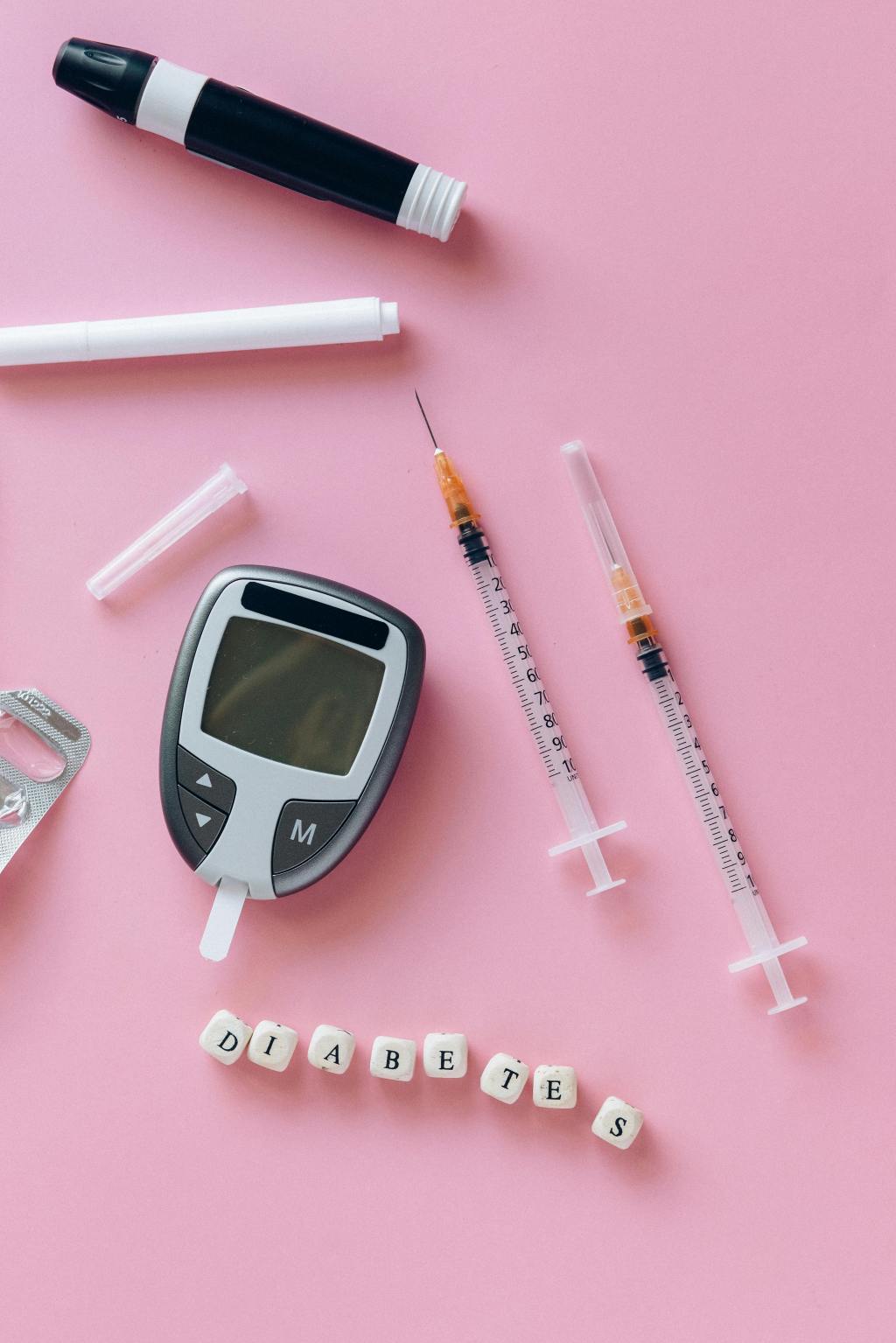
Diabetes is a global health crisis affecting millions of people worldwide. It’s more than just a condition that makes you feel thirsty or tired; diabetes can cause severe long-term damage to vital organs, drastically impacting quality of life.
Understanding the origin of the disease, its causes, how to prevent it, and the role diabetes medicine play in treatment is crucial for anyone looking to stay healthy and informed. Let’s break it down step by step.
What is Diabetes?
Diabetes is a metabolic disorder that disrupts how the body processes glucose (sugar). Insulin, the hormone produced by the pancreas, plays a vital role in helping glucose enter cells to be used as energy. In diabetes, either the body doesn’t produce enough insulin or the cells become resistant to insulin, causing an accumulation of sugar in the blood, which can lead to serious complications over time.
The Types of Diabetes
There are several types of diabetes, each with its unique characteristics:
- Type 1 Diabetes:
- Cause: An autoimmune disorder where the body attacks its own insulin-producing cells.
- Age of Onset: Typically develops in childhood or adolescence, though it can appear at any age.
- Treatment: Insulin therapy is essential for people with Type 1 diabetes, as they cannot produce insulin.
- Type 2 Diabetes:
- Cause: The body becomes resistant to insulin, or the pancreas doesn’t produce enough insulin.
- Age of Onset: More common in adults, but it’s also increasingly seen in children and adolescents due to rising obesity rates.
- Treatment: Often begins with lifestyle changes, but medication may be necessary as the condition progresses.
- Gestational Diabetes:
- Cause: Hormonal changes during pregnancy cause insulin resistance.
- Age of Onset: Occurs during pregnancy, usually in the second or third trimester.
- Treatment: Managed with diet, exercise, and sometimes insulin or oral medications.
- Prediabetes:
- Cause: Blood sugar levels are higher than normal but not high enough for a diabetes diagnosis.
- Age of Onset: Often develops in people with poor lifestyle habits but can be reversed with proper interventions.
What Causes Diabetes?
Understanding what causes diabetes is crucial for prevention and early intervention. The causes of diabetes vary depending on the type, but generally involve a combination of genetic, environmental, and lifestyle factors.
1. Genetic Factors
- Family History: A family history of diabetes increases your chances of developing the condition.
- Genetic Mutations: Certain genetic predispositions can affect the body’s ability to produce or use insulin effectively.
2. Lifestyle Factors
- Diet: A high intake of processed foods, sugary beverages, and unhealthy fats significantly increases the risk of Type 2 diabetes.
- Obesity: Excess body weight, especially abdominal fat, is one of the most significant risk factors for insulin resistance.
- Lack of Physical Activity: Regular exercise helps regulate blood sugar levels, and a sedentary lifestyle can contribute to insulin resistance.
3. Environmental and Other Factors
- Age: The risk of Type 2 diabetes increases with age, especially after 45.
- Hormonal Changes: Conditions like polycystic ovary syndrome (PCOS) or pregnancy-related hormonal changes (gestational diabetes) can increase risk.
- Sleep Patterns: Poor sleep and sleep disorders like sleep apnea can negatively affect insulin sensitivity.

How to Prevent Diabetes?
Although Type 1 diabetes cannot be prevented, Type 2 diabetes and prediabetes are preventable with lifestyle changes. Here’s how:
1. Eat a Balanced Diet
- Focus on Fiber: Incorporate whole grains, vegetables, fruits, and legumes into your meals to help regulate blood sugar.
- Limit Sugary Foods: Avoid sugary snacks, drinks, and processed foods that cause rapid spikes in blood glucose levels.
- Healthy Fats: Include healthy fats from sources like avocado, nuts, and olive oil while reducing intake of saturated fats.
2. Exercise Regularly
- Aim for at least 30 minutes of moderate physical activity, like brisk walking or swimming, five days a week.
- Exercise helps your muscles use glucose more efficiently, improves insulin sensitivity, and supports weight management.
3. Maintain a Healthy Weight
- Losing excess weight reduces the risk of insulin resistance. Even a 5-10% weight reduction can have a significant impact on preventing or managing Type 2 diabetes.
4. Get Regular Health Checkups
- Regular monitoring of blood glucose levels is essential, especially for those at higher risk. Early detection can prevent the progression to Type 2 diabetes or complications.
5. Manage Stress and Get Enough Sleep
- Chronic stress and lack of sleep can disrupt hormone levels and impair insulin sensitivity. Practice relaxation techniques like deep breathing, meditation, or yoga.
Medications for Diabetes
In addition to lifestyle changes, diabetes medicine are often required to manage blood sugar levels, particularly for Type 1 and Type 2 diabetes.
1. Insulin Therapy (For Type 1 and Some Type 2 Diabetics)
- People with Type 1 diabetes, and some individuals with Type 2, need insulin injections or an insulin pump.
- Types of insulin include rapid-acting, long-acting, and intermediate-acting insulins.
2. Oral Medications for Type 2 Diabetes
- Metformin: The most common first-line treatment for Type 2 diabetes, it works by decreasing glucose production in the liver and improving insulin sensitivity.
- Sulfonylureas: Medications that help the pancreas produce more insulin (e.g., Glimepiride).
- SGLT2 Inhibitors: Medications like Empagliflozin help the kidneys remove excess glucose through urine.
- DPP-4 Inhibitors: Medications like Sitagliptin work by increasing insulin production and decreasing glucose production.
- GLP-1 Agonists: These medications like Liraglutide help the body produce more insulin after meals and slow down stomach emptying.
3. Other Treatments
- Bariatric Surgery: For people with obesity and Type 2 diabetes, weight-loss surgery may improve blood sugar control.
- Stem Cell Therapy and New Developments: Research continues into potential cures or better treatments for diabetes, including stem cell therapies and gene editing technologies.
The Long-Term Effects of Untreated Diabetes
If diabetes is not managed effectively, it can lead to severe complications:
- Cardiovascular Disease: High blood sugar levels can damage blood vessels and nerves, leading to heart disease, stroke, and poor circulation.
- Kidney Damage (Nephropathy): Diabetes is a leading cause of kidney disease and kidney failure.
- Retinopathy: Damage to the blood vessels in the eyes, leading to vision impairment or blindness.
- Nerve Damage (Neuropathy): Nerve damage can cause numbness, pain, and even amputation in severe cases.
- Increased Risk of Infections: High blood sugar impairs the body’s immune response, leading to a higher risk of infections.
Conclusion: Living with Diabetes
Diabetes is a chronic condition, but with the right lifestyle choices, regular monitoring, and medications, it can be effectively managed. Prevention and early detection are the keys to reducing the impact of the disease on your life. Take charge of your health by staying informed, making healthier choices, and working closely with healthcare professionals to prevent or manage diabetes.
Remember, diabetes is not the end of the road—it’s just a reminder to take better care of yourself. Keep a positive mindset, embrace the changes that come with a healthy lifestyle, and live your life with balance and confidence.
 Blogging Website
Leave a comment